HONOR. HOMEOSTASIS. HOPE.
High Performance, Overextension, and the Physiology of Healing
2/2/20263 min read
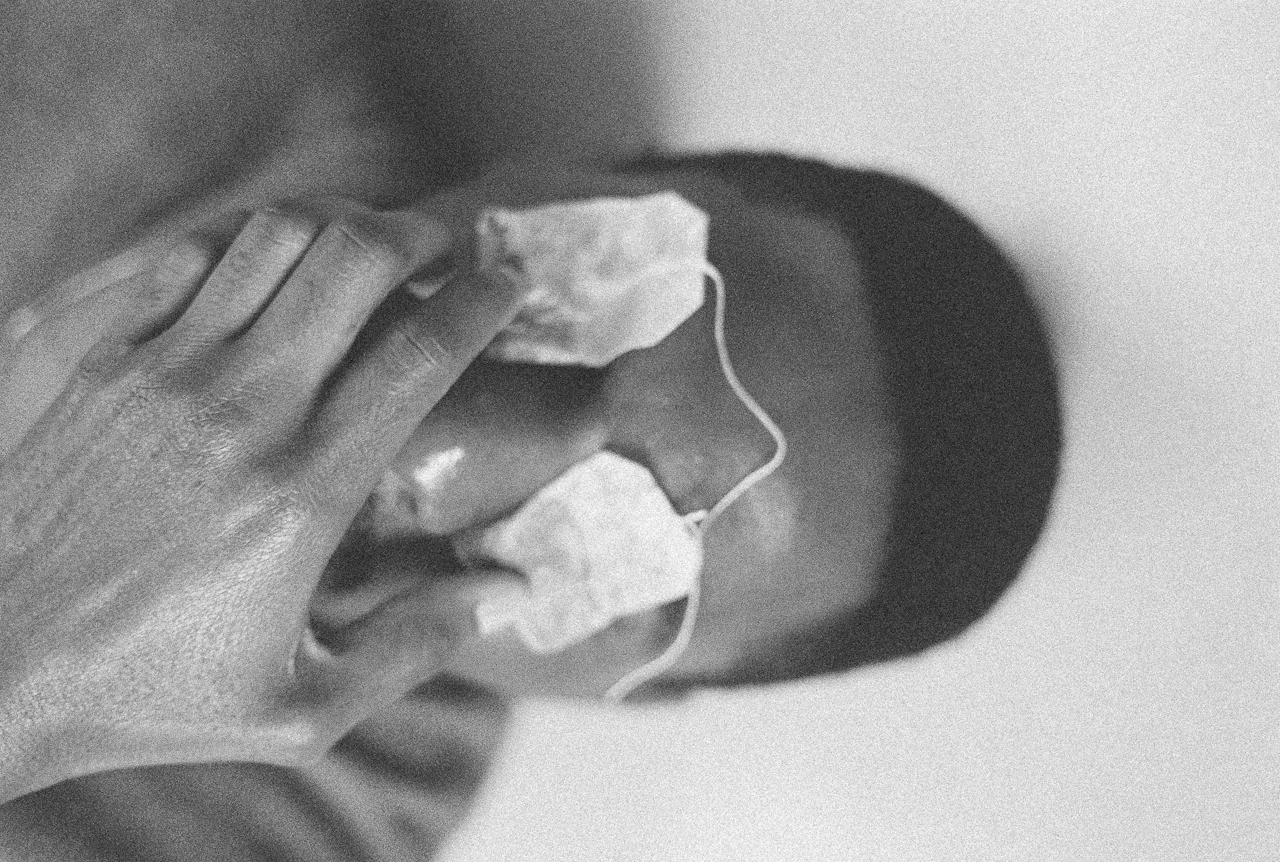
Did you know that patients with cerebral venous and cerebrospinal fluid (CSF) disorders are often high-performing individuals, and that such individuals may be particularly vulnerable to developing these conditions? This was certainly true in my case. Learning about my tendencies, temperament, and the physiological consequences of chronic overextension was essential to my healing journey and transformation.
In fact, the long-term success of my medical and surgical treatment depends on my ability to consistently care for and nurture my body, mind, and spirit. This aspect of recovery is not ancillary. It is foundational.
Human worth is intrinsic and independent of productivity, achievement, or output. However, individuals with high achievement orientation, perfectionistic traits, and sustained cognitive or occupational overextension are disproportionately vulnerable to physiological dysregulation when recovery is insufficient (Hill & Curran, 2016; Andersen et al., 2023).
Chronic work stress, long working hours, and sleep restriction are associated with autonomic imbalance, impaired neurovascular coupling, and altered cerebral blood flow regulation. These mechanisms plausibly contribute to migraine susceptibility, cognitive fatigue, and cerebrovascular strain (Csipo et al., 2021; McDonald et al., 2025). Epidemiologic studies further demonstrate that job strain and work stress are associated with both migraine prevalence and new-onset migraine, supporting a stress-mediated neurovascular pathway rather than a purely psychological model (Mäki et al., 2008; Santos et al., 2014).
Sleep deprivation and inadequate recovery further exacerbate this vulnerability. Experimental and clinical studies show that sleep loss alters cerebrovascular reactivity and regional cerebral perfusion, impairing the brain’s capacity to meet metabolic demand during sustained cognitive effort (Csipo et al., 2021). In parallel, systematic reviews consistently identify stress and sleep disturbance as among the most common migraine precipitating factors, reinforcing the central role of autonomic and vascular regulation in disease expression (Peroutka, 2014; Tiseo et al., 2020).
At the population level, prolonged exposure to long working hours is associated with increased risk of stroke and ischemic cardiovascular disease, underscoring that chronic overextension without adequate recovery has measurable cerebrovascular consequences (Descatha et al., 2020; Pega et al., 2021).
Taken together, this body of evidence supports reframing rest, pacing, and intentional recovery not as indulgence, but as essential mechanisms for maintaining cerebral perfusion, vascular integrity, and neurological stability. The restoration of physiological equilibrium is the biological correlate of self-regulation. This is homeostasis.
Below is one of the daily affirmations I developed for myself to help anchor this practice and remind me of the non-negotiable role of self-care in healing. I share it in hopes it may be of service to you in your own journey. This is not optional. It is foundational.
Daily Affirmation
All is as it should be.
My worth is inherent. It requires no achievement, no striving, no proof.
I am whole. I am complete. Everything else is abundance.
I am free to pause, to breathe, to recover in ways that honor my body, mind, and spirit.
I need no permission to care for myself with intention and love.
This is homeostasis.
References
Andersen, F. B., Djugum, M. E. T., Sjåstad, V. S., & Pallesen, S. (2023). The prevalence of workaholism: A systematic review and meta-analysis. Frontiers in Psychology, 14, 1188743. https://doi.org/10.3389/fpsyg.2023.1188743
Csipo, T., Lipecz, A., Fulop, G. A., et al. (2021). Sleep deprivation impairs cognitive performance, alters task-associated cerebral blood flow, and decreases cortical neurovascular coupling-related hemodynamic responses. Scientific Reports, 11, 20994. https://doi.org/10.1038/s41598-021-00188-8
Descatha, A., Sembajwe, G., Pega, F., et al. (2020). The effect of exposure to long working hours on stroke: A systematic review and meta-analysis from the WHO and ILO Joint Estimates of the Work-related Burden of Disease and Injury. Environment International, 142, 105746. https://doi.org/10.1016/j.envint.2020.105746
Hill, A. P., & Curran, T. (2016). Multidimensional perfectionism and burnout: A meta-analysis. Personality and Social Psychology Review, 20(3), 269–288. https://doi.org/10.1177/1088868315596286
Mäki, K., Vahtera, J., Virtanen, M., et al. (2008). Work stress and new-onset migraine in a female employee population. Cephalalgia, 28(1), 18–25. https://doi.org/10.1111/j.1468-2982.2007.01455.x
McDonald, M. J., et al. (2025). Impact of acute sleep restriction on cerebrovascular reactivity and neurovascular coupling. Journal of Applied Physiology. Advance online publication. https://doi.org/10.1152/japplphysiol.XXXX
Peroutka, S. J. (2014). What turns on a migraine? A systematic review of migraine precipitating factors. Current Pain and Headache Reports, 18(10), 454. https://doi.org/10.1007/s11916-014-0454-2
Pega, F., Náfrádi, B., Momen, N. C., et al. (2021). Global, regional, and national burdens of ischemic heart disease and stroke attributable to exposure to long working hours, 2000–2016. Environment International, 154, 106595. https://doi.org/10.1016/j.envint.2021.106595
Santos, I. S., et al. (2014). Job stress is associated with migraine in current workers. European Journal of Pain, 18(9), 1290–1297. https://doi.org/10.1002/j.1532-2149.2014.00450.x
Tiseo, C., et al. (2020). Migraine and sleep disorders: A systematic review. The Journal of Headache and Pain, 21, 126. https://doi.org/10.1186/s10194-020-01192-0
"We walk with you."
~Our Neuro Network
Contact
Subscribe to newsletter
E-mail: connect@ourneuronetwork.org
Telehealth Phone: 808-295-4021
Telehealth Fax: 808-666-9212
Coaching and Consulting Phone: 307-335-4968
Coaching and Consulting Fax: 307-312-3277
Medical and Legal Disclaimer: The information provided on this website is for educational and informational purposes only. It is not a substitute for professional medical advice, diagnosis, or treatment. Do not disregard or delay seeking medical care because of content you have read here.
Always consult your licensed healthcare provider or qualified medical team before making any healthcare decisions, starting or stopping medications, or implementing any lifestyle, nutritional, or therapeutic interventions.
Use of this site and its content is at your own discretion and risk. No patient-provider relationship is established by viewing or interacting with this website or its associated social media, podcasts, or communications. If you are experiencing a medical emergency, call 911 or go to your nearest emergency department.
While every effort is made to ensure accuracy and currency, Our Neuro Network and its affiliates make no representations or warranties of any kind, express or implied, regarding completeness, accuracy, reliability, suitability, or availability of any information, products, or services mentioned herein.
By using this website, you agree that Our Neuro Network, its owner(s), affiliates, and representatives are not liable for any direct or indirect damages or consequences arising from your use of this content.
© 2025 Our Neuro Network | All Rights Reserved | Privacy Policy | Terms of Use
HONOR. HOMEOSTASIS. HOPE.